
At the Estonian Dialogue Academy, we work with a variety of dialogue methods. Each approach has its own specific uses and goals. At the same time, they have more similarities than differences. This is why, depending on the task ahead, we sometimes use a combination of formats.
Overarching aspects of dialogue
- Group conversation, big or small
- Evolves around an open or fundamental question
- Focus on understanding, not on convincing
- Curiosity is an important driving force
- People are equal and not forced to speak
- Is not a debate, discussion or negotiation
Selection of different dialogue formats
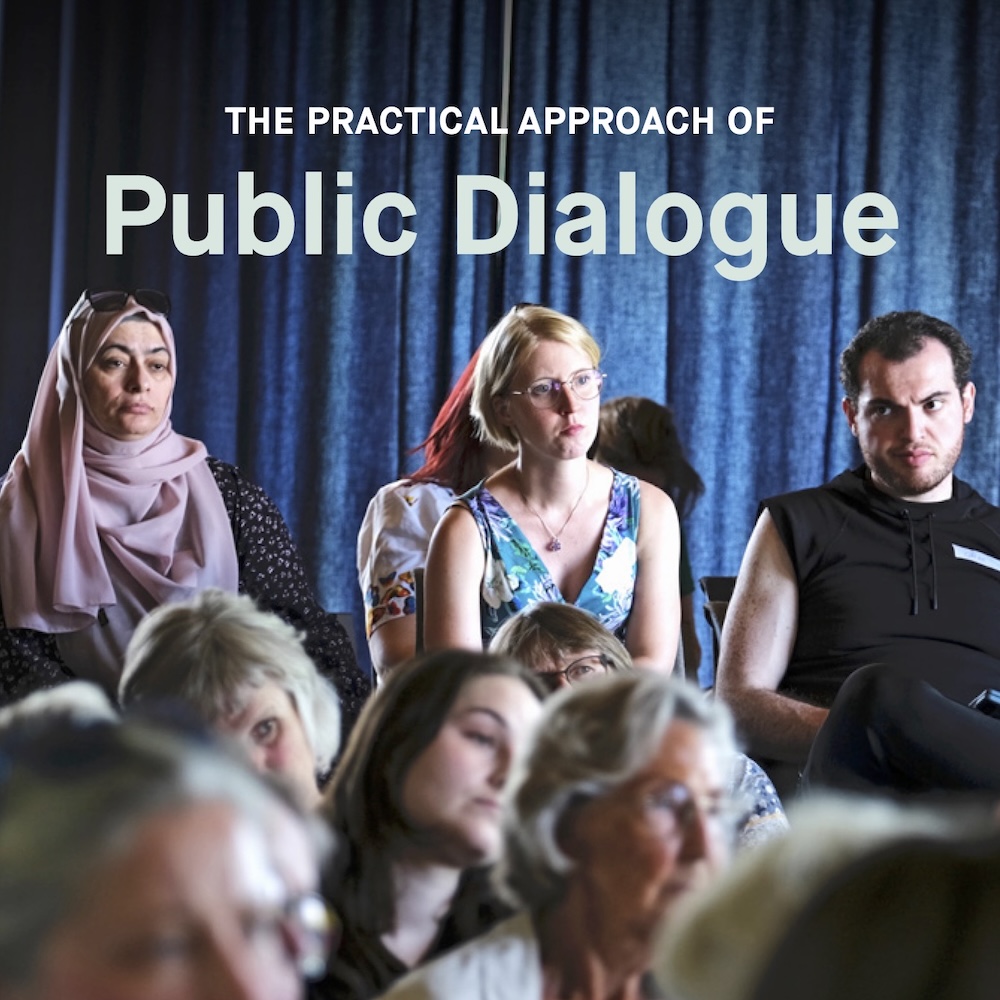
Public Dialogue
Nansen Center for Peace and Dialogue, Norway
Public Dialogue is a facilitated dialogue for citizens about a topic of public interest. The approach is particularly useful for addressing sensitive, conflicted, or controversial topics.
Timeout
Timeout Foundation, Finland
Timeout is a way to generate and have constructive discussions for people from different backgrounds. It is always a facilitated discussion. Timeout offers an opportunity to pause and consider things in peace.
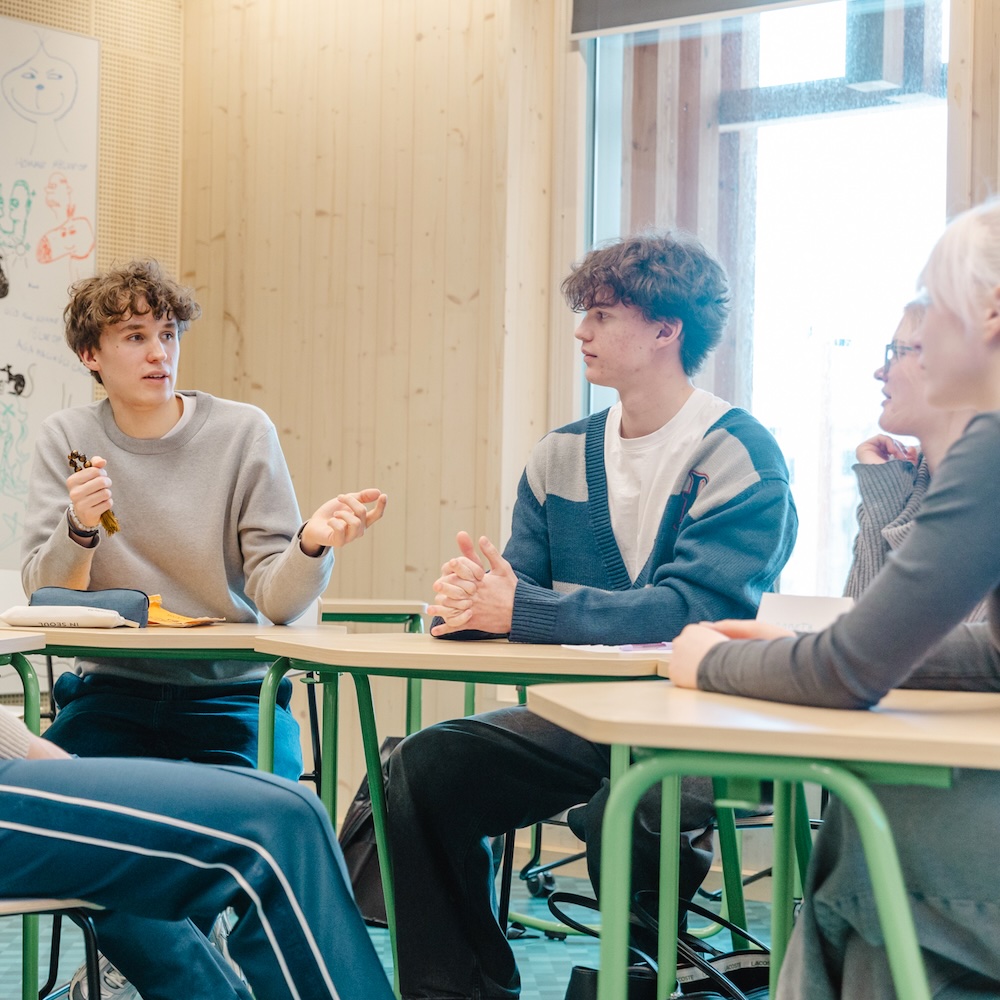
Philosophy for Children
Matthew Lipman, US
Philosophy for Children and Youngsters (P4C) is a dialogue method to learn and practise critical thinking, dialogue and argumentation skills. It evolves around inquiring fundamental issues defined by young people themselves.
Democracy Dialogues
Foundation “Let’s talk”, Poland, Timeout Foundation, Finland, HERMES, Croatia
This method addresses critical issues such as the lack of dialogue, low trust in democracy, growing social polarisation and divisions, and difficulties in conflict resolution or communication.
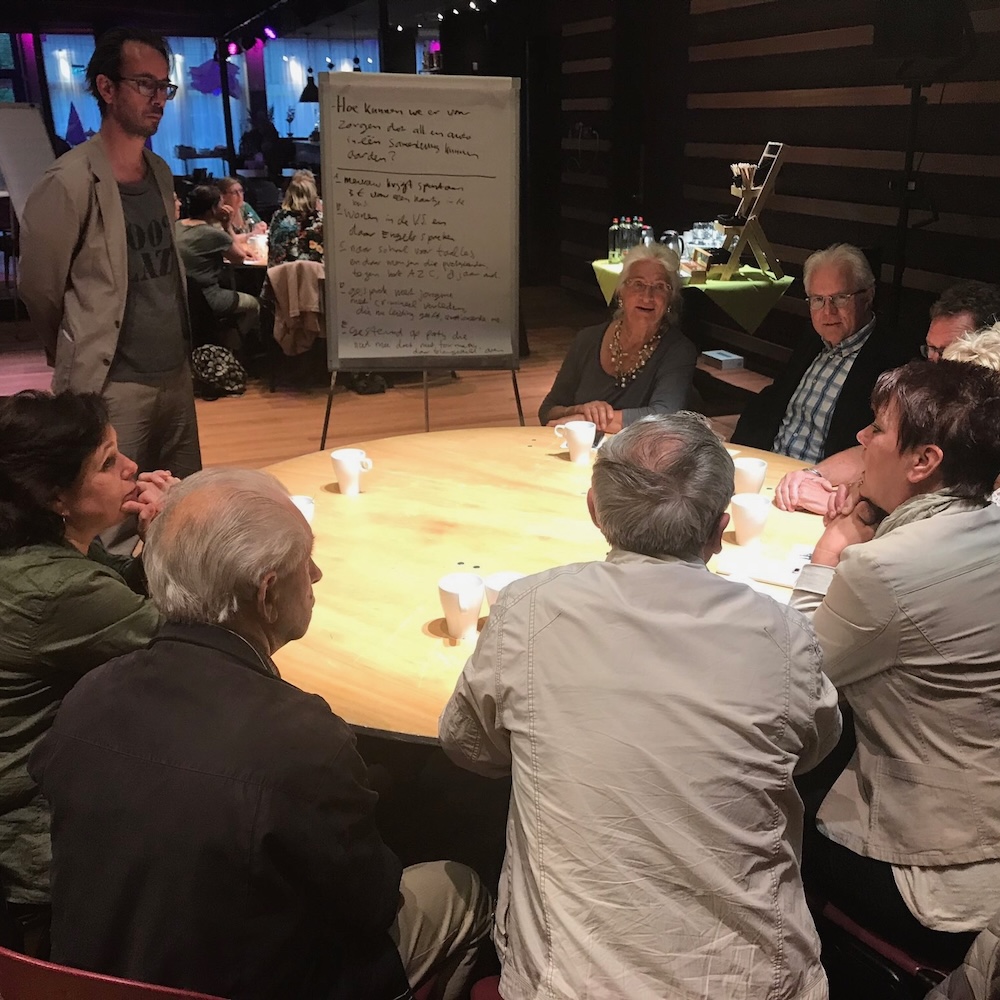
The Socratic Method
Socrates, ancient Greece, Leonard Nelson, Germany critical philosopher
In a Socratic dialogue, participants attempt to answer a fundamental question by reflecting on a specific example provided by another participant. This process fosters a deeper understanding of fundamental values and beliefs in real-life situations.
Day of Dialogue
Foundation In Dialogue, the Netherlands
The Day of Dialogue is a social initiative for citizens and organisations. The method is based on the theory of Appreciative Inquiry. This theory is divided into four rounds: getting acquainted, exchanging experiences, dreaming and doing.
Kid Dialogue
The City of Lahti, Finland
Kid Dialogue brings children, young people and adults who work with them and decide on matters concerning them together on an equal footing to build a common understanding through dialogue.

More to come…
More to come…
Examples of use
We apply dialogue in different ways in our work. For example in schools where we empower students to express themselves and think together about topics they find important. We use dialogue in our work with communities and organisations. Groups don’t have to be big. Dialogue can play a role in one on one communication where two people are exploring an issue or reflect on personal experiences. This form we use in dialogical coaching. You can browse through our portfolio for more examples.
What dialogue means to us
Consultation
Would you like to find out more about these different dialogue methods and how they can be used? Maybe you’re interested in how we use dialogue in our projects? Take a look at the various sections on our website. We are happy to speak with you and think along.